
Small armored animals under pots
Pill Bug
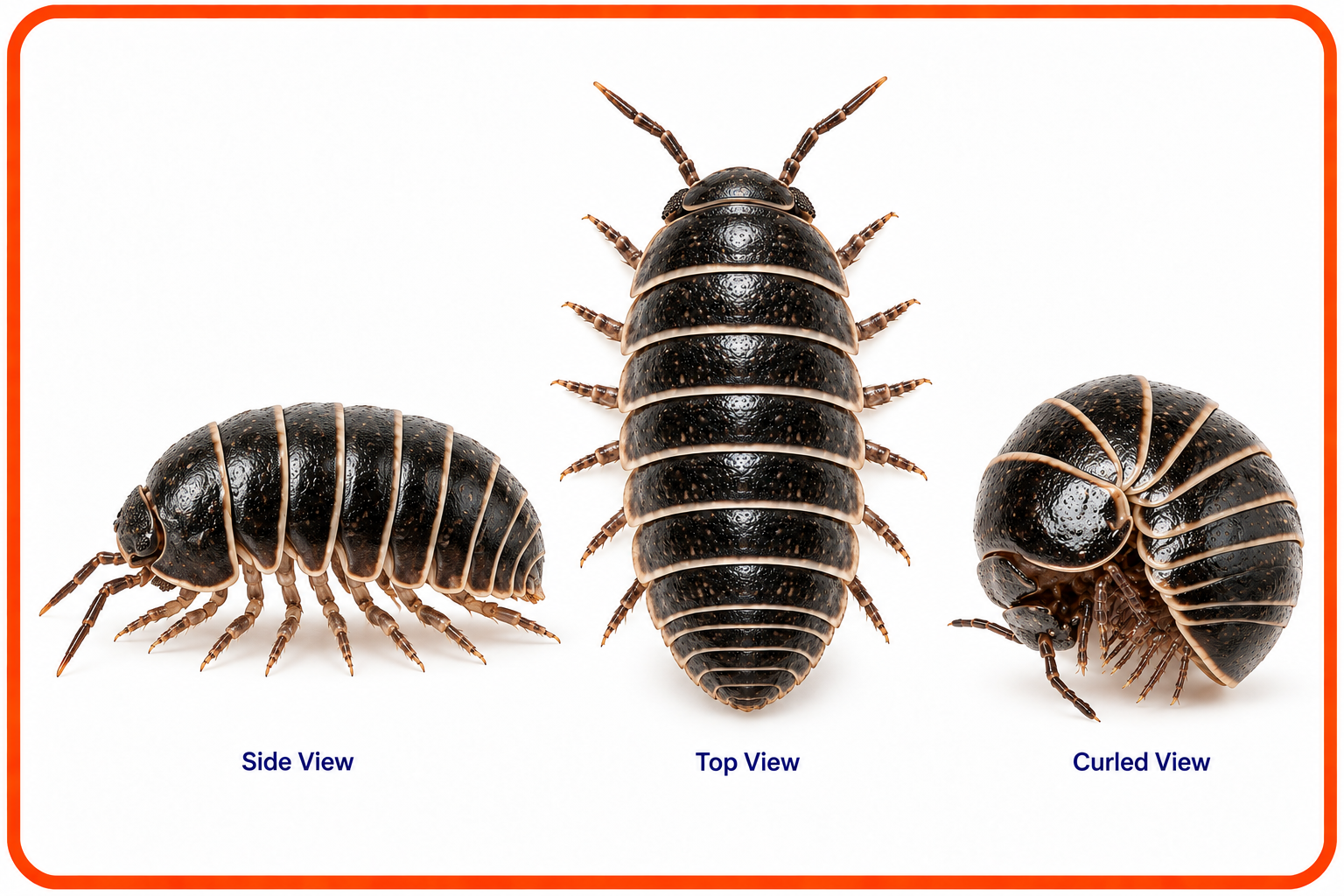
Life Cycle
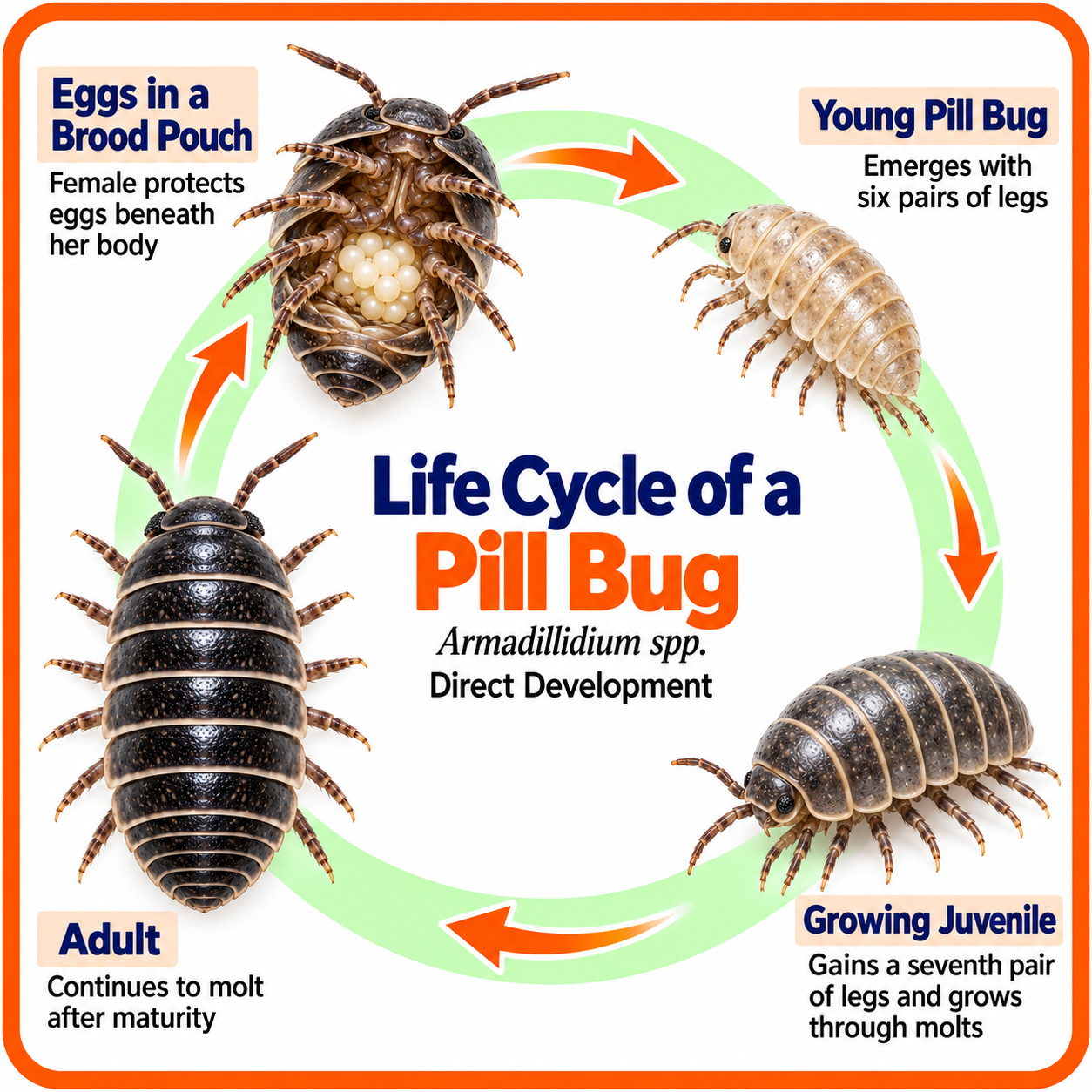
- Color
- Gray to dark gray
- Size
- Usually under ¾ inch
- Key Markings
- Armored segments; rolls into a ball
- Activity
- Favors damp protected areas
- Common Areas
- Mulch, leaves, beneath objects
Description
Armadillidium spp.
Pill bugs are terrestrial crustaceans rather than insects. They need moisture and feed largely on decaying organic material. Females protect developing young in a brood pouch. Young resemble small adults and grow by molting. Rolling into a ball helps distinguish pill bugs from many sowbugs.
What Attracts Them?
- Damp leaf litter
- Decaying plant material
- Moist shelter against buildings
How Do They Get Inside?
- Gaps near the ground
- Open door thresholds
- Damp pots or materials brought indoors
Signs of an Infestation
Animals curling into a ball
Activity around damp thresholds
Repeated findings near wet organic debris
How Serious or Harmful Are They?
Pill bugs are generally nuisance visitors indoors. Their presence often points to damp nearby shelter rather than an indoor breeding infestation.
Treatment / How to Get Rid of Them
What You Can Do
- Reduce excess moisture
- Remove piled leaves and damp debris
- Improve ventilation in damp areas
- Seal low entry gaps and maintain thresholds
How Pest Guys Helps
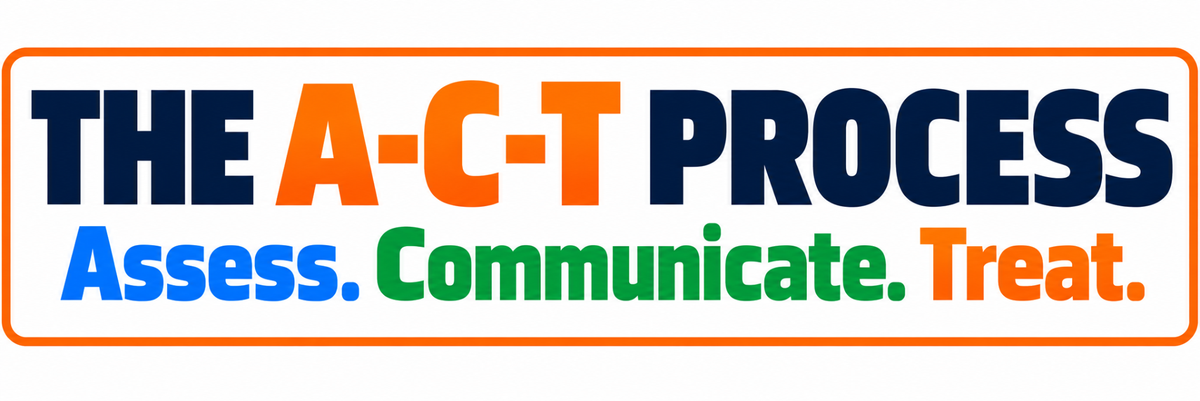
Assess — We inspect your property, identify pests and activity, locate nesting and hiding areas, and find contributing conditions.
Communicate — We explain our findings, discuss the recommended plan, answer your questions, and confirm understanding and agreement.
Treat — We put the agreed plan into action, perform the initial treatment, provide ongoing service, and monitor results to adjust as needed.
Frequently Asked Questions
What should I look for first?
Armored segments; rolls into a ball. Small armored animals under pots. A clear photograph and the location of activity can help with identification.
What conditions should I check?
Start with damp leaf litter. Reduce excess moisture.
Does seeing one mean there is an infestation?
A single sighting does not establish the extent of a problem. Repeated activity, developing young, nests, or other evidence help us determine what is happening.
How does Pest Guys decide what to do?
We use A-C-T: Assess, Communicate, Treat. The pest, its location, and the conditions at your home guide the recommendation. We explain the plan and any preparation needed before service.
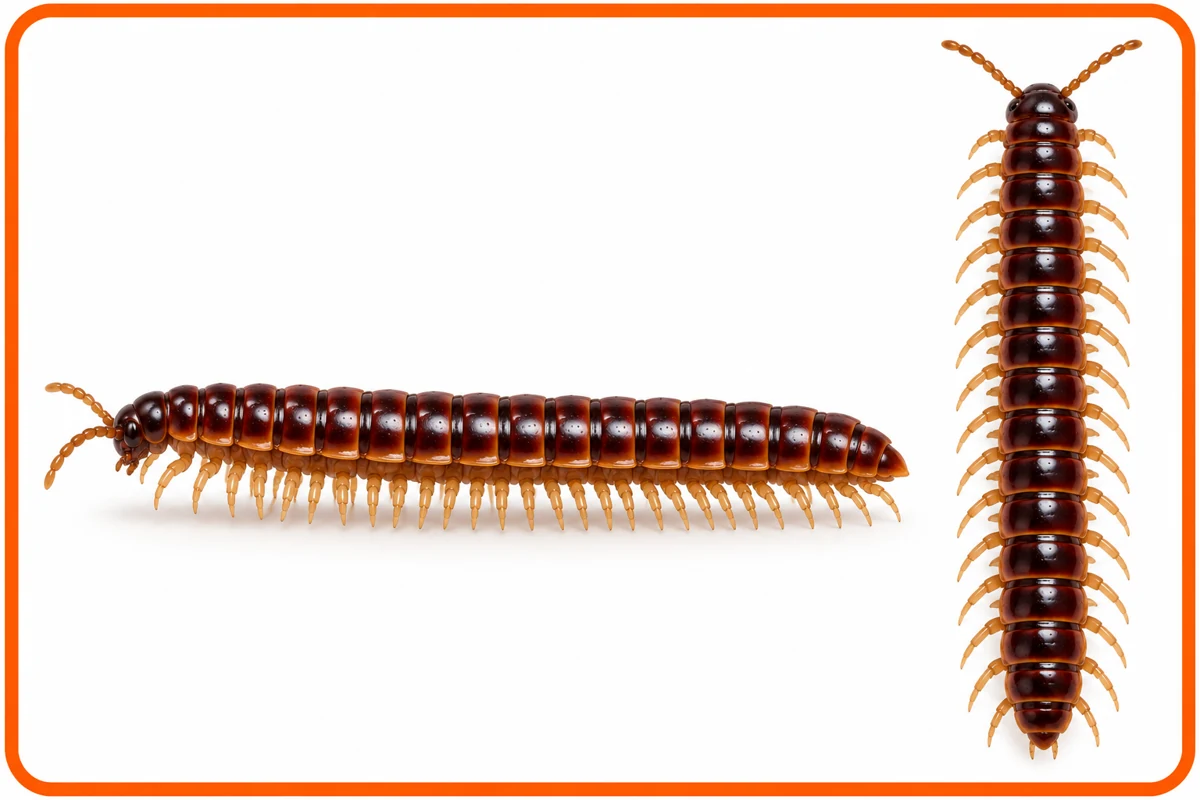
Comparisons With Similar Pests
Need help identifying a pest?
Tell us what you’re seeing. We’ll help determine the next step.